

What is hair porosity? How to test it, and the best products for low, medium and high porosity hair
Lime Light Hair & Beauty · 19 November 2026 · 6 min read

Why do some people's hair soak up a mask in seconds while others say every product "just sits there"? The answer is porosity. Here is what it means, three easy ways to test it, and how to choose treatments, and colour, that suit your hair.
Published 8 January 2027 by Lime Light Hair & Beauty Products.
💡 The quick answer
Porosity is how easily your hair absorbs and holds moisture, decided by how open the outer cuticle layer is.
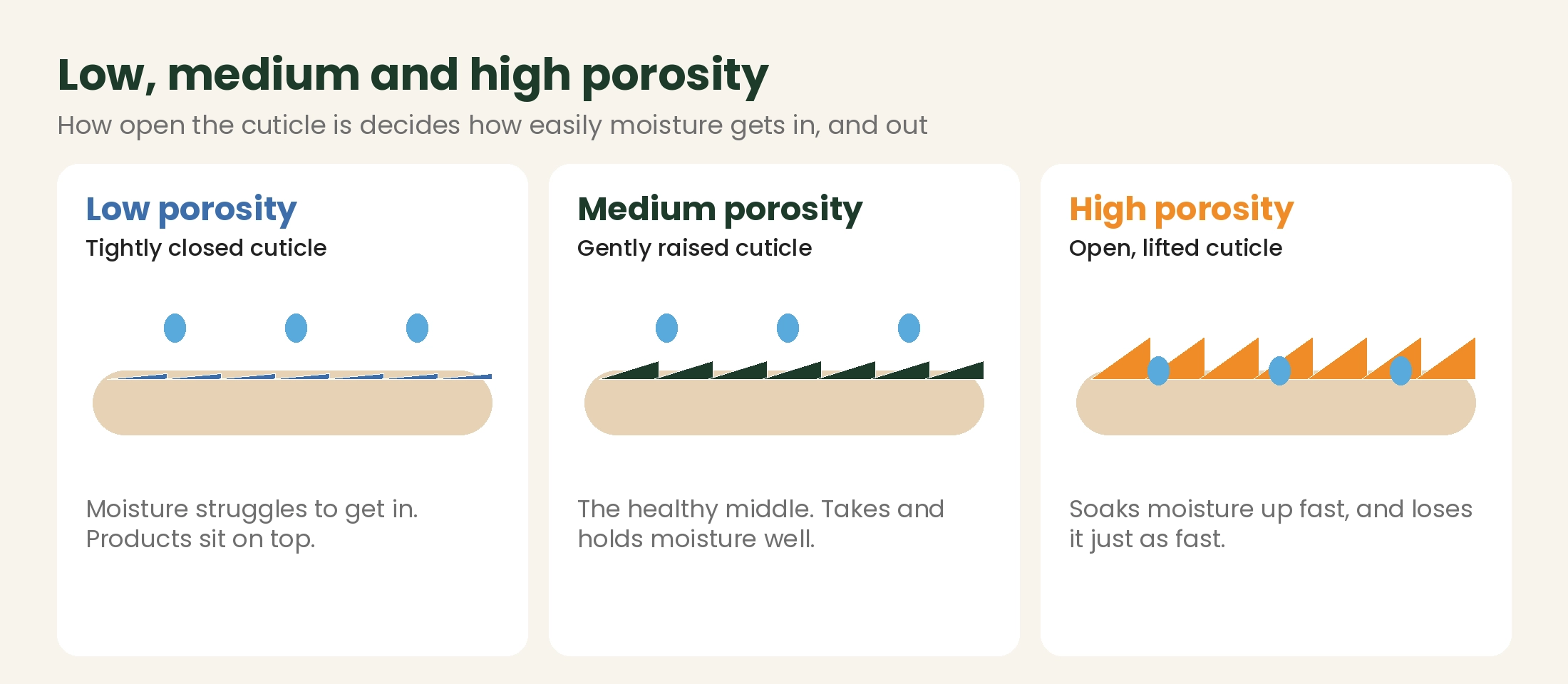
Low porosity: cuticle tightly closed. Hair takes long to wet, products sit on top. Use light products and gentle heat.
Medium porosity: the healthy middle. Takes and holds moisture well. Keep it that way.
High porosity: cuticle lifted, often from bleach, heat or sun. Soaks up moisture and loses it fast. Use protein, rich masks and a sealing oil.
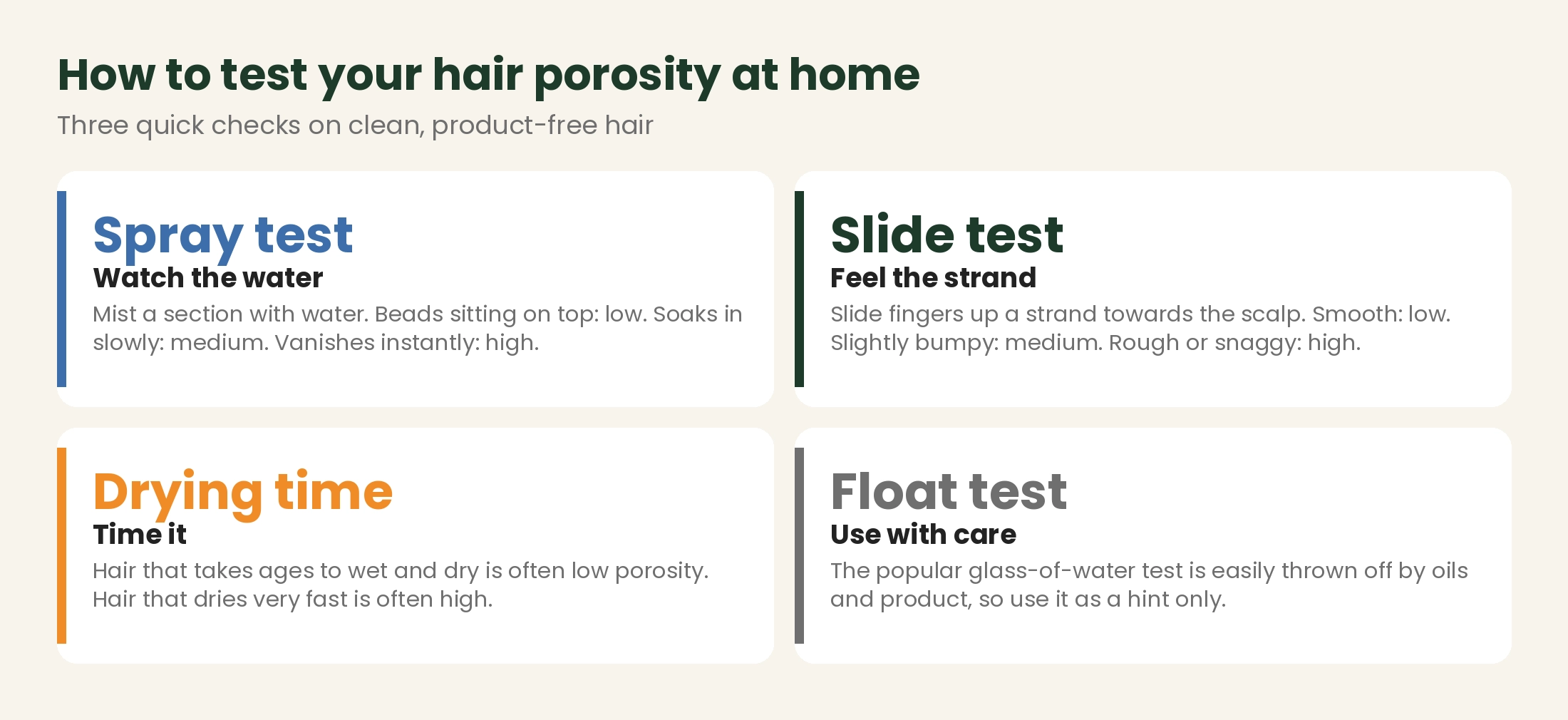
Test it: the spray test and slide test on clean hair are more reliable than the float test.
Before colour: even out porous ends with a porosity product such as Dikson Setamyl for an even result.
What is hair porosity?
Every hair strand has an outer layer called the cuticle, made of overlapping scales like roof tiles. Porosity describes how open those scales are, and so how easily water, conditioners and colour can get into the hair, and how well they stay there.
How do I know my hair porosity?
Start with clean, product-free hair, as conditioner and styling products change the results. Then try one or more of these checks:
Good to know: porosity can change along one strand. Roots are often lower, while bleached or heat-styled ends are often higher. That is why the same treatment can feel perfect at the roots and not enough on the ends.
What causes high porosity hair?
Some people are born with naturally more open cuticles, but most high porosity is caused by damage that lifts and chips the cuticle:
- Bleaching and lightening, especially high-lift and repeated services.
- Chemical treatments such as relaxers, perms and straightening.
- Heat styling without a heat protector.
- Sun, chlorine and salt water.
- Rough brushing and towel-drying, particularly on wet hair.
How do I care for low porosity hair?
- Use lightweight products, such as sprays, milks and light lotions, that will not sit on top.
- Add gentle heat when you treat: a warm towel or a thermal cap helps masks get in.
- Clarify regularly, as build-up is a common problem. See How to read a hair product label.
- Look for humectants such as glycerin and panthenol, and go easy on heavy butters.
- Apply products to damp, not soaking wet, hair so they can absorb.
How do I care for high porosity hair?
- Strengthen with protein: keratin masks help fill gaps in the cuticle.
- Balance with moisture: alternate protein masks with hydrating masks so hair does not feel stiff.
- Seal it in: finish with a leave-in and a few drops of oil on the ends.
- Use gentle, sulphate-free shampoo and lukewarm or cool rinses.
- Always use heat protection, and cut back on bleach and hot tools while hair recovers.
Which products suit my porosity?
| Product type | Low porosity | Medium porosity | High porosity |
|---|---|---|---|
| Shampoo | Clarifying now and then | Your usual favourite | Gentle, sulphate-free |
| Mask | Light hydrating mask with heat | Weekly mask | Keratin mask, alternated with moisture |
| Leave-in | Light spray | Light spray or cream | Cream leave-in |
| Oil | A drop or two, light oils only | Light oil on the ends | Seal ends with oil |
| Heat protection | Yes | Yes | Always, every time |
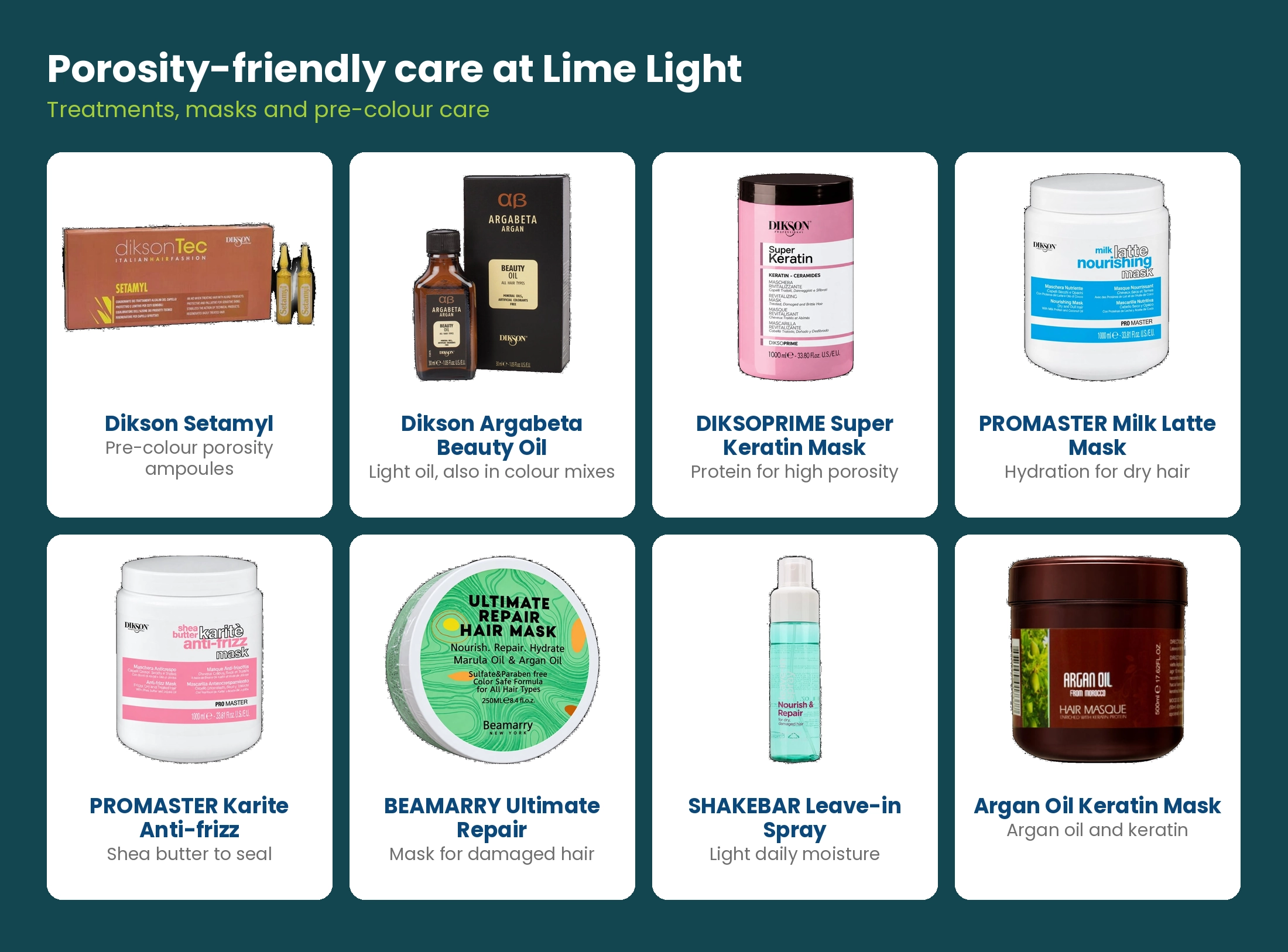
- DIKSOPRIME Super Keratin Revitalizing Mask: keratin to rebuild and strengthen high porosity, chemically treated hair.
- Dikson PROMASTER Milk Latte Nourishing Mask: milk proteins for intense hydration on dry, brittle hair.
- Dikson PROMASTER Karite Anti-frizz Mask: shea butter to nourish and smooth frizzy, porous lengths.
- BEAMARRY Ultimate Repair Hair Mask and the Argan Oil Keratin Mask: deep repair for damaged hair.
- SHAKEBAR Leave-in Spray Nourish & Repair: light daily moisture that suits low and medium porosity.
- Dikson Argabeta Beauty Oil: an ultra-light oil that seals ends without a greasy feel.
Why does porosity matter for hair colour?
Porous hair grabs colour fast and unevenly. Ends can turn darker or muddier than the roots, and fashion shades fade quickly. Low porosity hair can be resistant and slower to take colour. Evening out porosity before a colour service gives a more even, predictable result:
- Dikson Setamyl: a few drops on very porous areas before colour, one third of a vial mixed into an alkaline product, or used as a leave-in balm after the service.
- Dikson Argabeta Beauty Oil: 3 to 5ml mixed into colour or bleach for added protection and shine.
- Strand test first on porous ends, and consider applying to the roots before the lengths.
💡 For colourists
Talk to clients about porosity at the consultation. It explains why their ends fade faster, and gives you an easy reason to recommend a keratin mask and leave-in for home care. Read more in our original Porosity Equalizer post and our hair colour numbers guide.
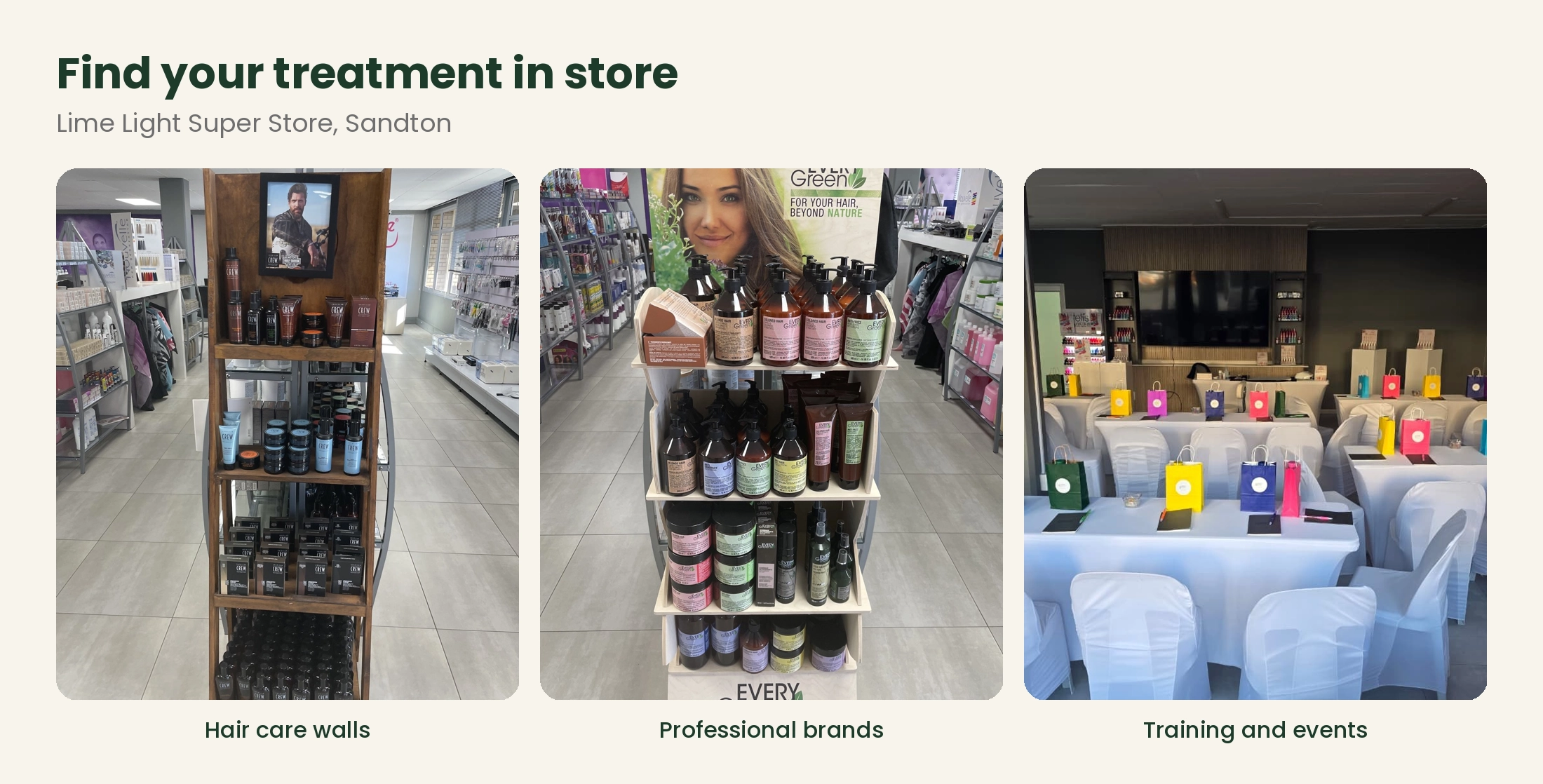
Find the full treatment range at the Lime Light Super Store, the largest showroom of its kind in South Africa for dedicated wholesale hair and beauty products, at Block B, Tripark, 17 Eastern Service Road, Kelvin, Sandton, and at our branches in Cape Town and Durban.
Frequently asked questions
Can hair porosity change?
Yes. Natural porosity is set by your genes, but bleach, chemicals, heat and sun raise it over time. Good care keeps it from getting worse.
Is the float test accurate?
Not very. Oils, product residue and how long you watch the glass all change the result, so treat it as a hint and use the spray or slide test too.
Is high porosity hair damaged?
Often, but not always. Some hair is naturally more porous. Either way, protein, moisture and a sealing oil help it hold moisture.
Does low porosity hair need protein?
Usually less. Low porosity hair can feel stiff with too much protein, so focus on light hydration and clarifying.
Can I fix high porosity hair?
You cannot close a damaged cuticle for good, but treatments smooth and fill it so hair looks and feels healthier. New growth will reflect your natural porosity.
Does porosity affect how colour takes?
Yes. Porous areas absorb colour faster and can go darker or fade quicker, which is why colourists even out porosity first.
Where can I buy hair treatments for damaged hair in South Africa?
At Lime Light: online at limelighthb.co.za, at the Lime Light Super Store in Sandton and at our branches in Cape Town and Durban.
Shop porosity-friendly hair care at Lime Light
- Shop online: limelighthb.co.za, under Hair, then Hair masks and treatments.
- Visit the Super Store: Block B, Tripark, 17 Eastern Service Road, Kelvin, Sandton, the largest showroom of its kind in South Africa for dedicated wholesale hair and beauty products.
- Open a trade account: visit our website and hit register, fill in the details and we will approve your account.
- Call us: 011 262 2451 | Email: shop@limelighthb.co.za
More from the blog
 The hair bleach and lightener guide: how lightening works, which powder to choose and how to protect the hairHow hair bleach works, the stages of lightening, which developer to use with bleach, blue vs white powder, protecting the hair and toning afterwards.
 Meet Limey! The zestiest mascot in hair, beauty and nailsMeet Limey, Lime Light's fun-loving, adventurous lime with a passion for hair, beauty and nails. His legend, friends, arch-enemy, adventures and beauty secrets.
 What do hair colour numbers mean? Levels, tones and reflects explainedHow to read hair colour numbers like 7.1, 6.66 and 9.11: levels 1 to 10, tone and reflect numbers, double digits, grey coverage and which developer to use.